Creative sparks
Creativity in the space of Hypnagogia

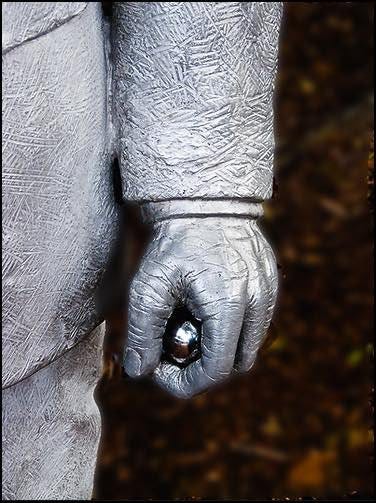
Image: quora.com
During the first stage of non-rapid eye movement sleep (‘N1’) the body is not completely relaxed. The brain slows down, but there can be vivid dreams as the brain makes creative connections in a period known as ‘hypnagogia’. We typically forget these experiences, and the content of those dreams as we progress into the next three sleep stages (N2 – relaxed, with slower heart and breathing rate, N3 – deep sleep, then REM sleep, and so on through the night).
If we held a steel ball in each hand, they would crash to the floor as we relaxed during the few minutes of N1 sleep – we would wake, and also remember those dreams. Which might yield creative insights.
That was the practice of prolific inventor Thomas Edison. Now that approach is confirmed through innovative research by Celia Lacaux and colleagues (their paper, published this month, is titled Sleep onset is a creative sweet spot).
Lacaux and the team asked their participants to solve a series of mean maths problems using two operations. This was a slow process. But there was a short-cut – if you spotted it.
After working on the problem for a short time these good people were asked to take a 20-minute break. In a comfy chair in a darkened room. They were told to close their eyes. And – quelle surprise, many of them nodded off. Then, up came the lights and they were put to work again.
Not everyone caught a nap. And some went through N1 and into N2 sleep in their break. But those woken in the N1 phase were more likely to have the creative insight. Much more likely – 2.7 times more likely than those who stayed awake, and 5.8 times more likely than the N2 sleepyheads.
How can you collect creative insights from the hypnagogic pre-sleep drowsiness? Some suggestions:
1. Get in the habit of doing short meditations – say 10 minutes, in which your mind may wander into interesting spaces, but because you have trained yourself to come back after 10 minutes you’ll be able to access those insights.
2. Set your alarm for 5 or 10 minutes, sit in a comfy chair, close your eyes...
3. Sit in a comfy chair, hold an object such as a metal bottle that will cause no harm if it falls to the floor, but will certainly wake you up when it does
4. Buy the Dormio watch (not cheap!) that detects when you are in N1 and helpfully wakes you up.
Next time you feel that you are stuck on a problem – give yourself a creative break, check out the hypnagogic space.
Stewart Forsyth is an organisational psychologist and executive coach and also the author of 21 Remarkable People – available from Amazon or Apple or other eBook sources.