Dominant leaders
More likely to get to the goal, but harder on their followers

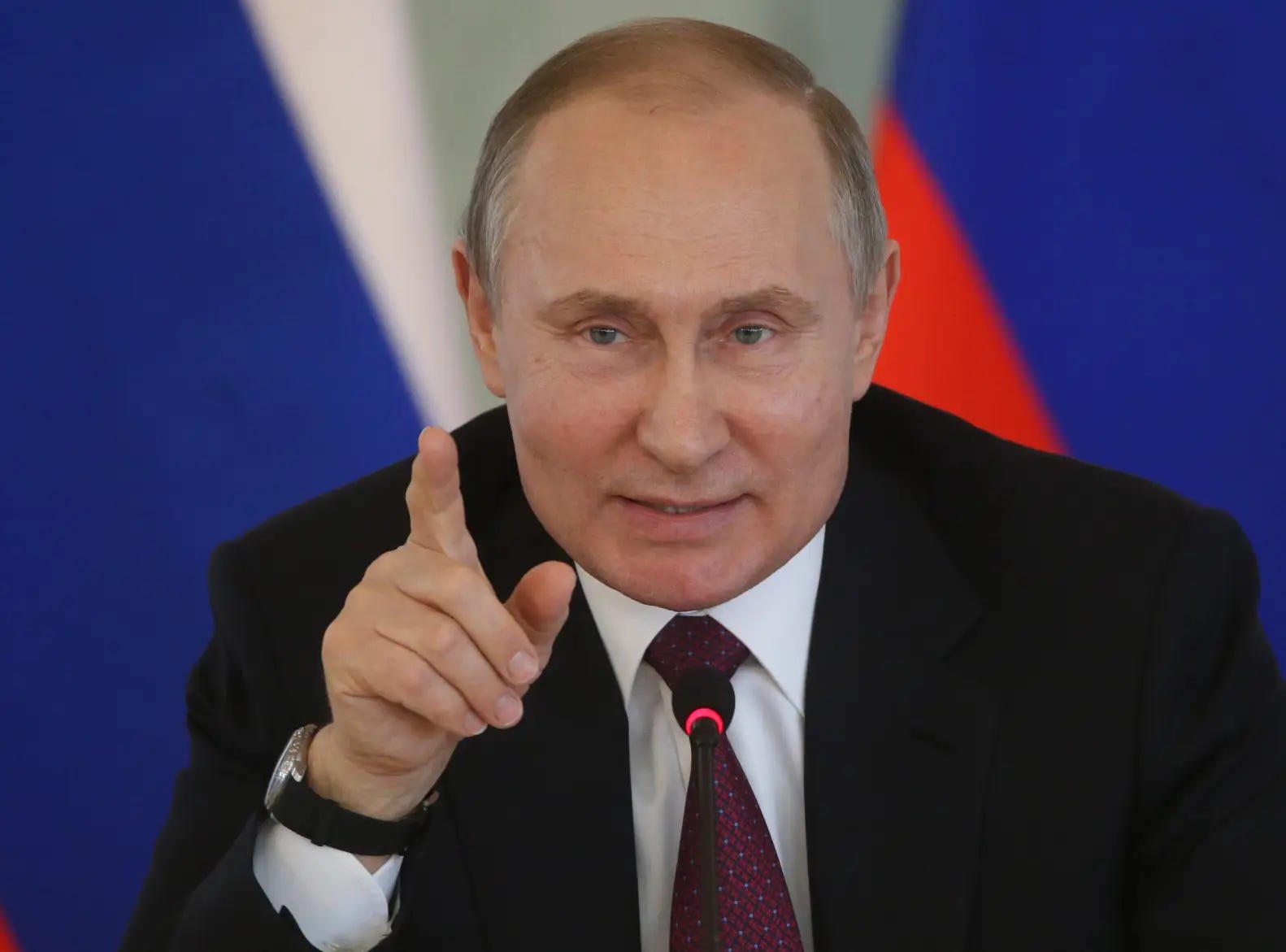
Image: Time.com
There are as probably as many leadership models as there are leadership coaches. But one consistent distinction that has been observed in naturalistic settings and in the laboratory is leaders’ inclination to use dominance or prestige to exert influence.
Chris von Ruedon and colleagues studied prestige and dominance among the Tsimane in the Bolivian Amazon. Dominant (male) leaders were rated higher for fighting ability, prestige (again male) leaders rated high for community influence. Both types of social status had advantages in terms of reproductive success.
It seems that with more intense (inter-group) competition dominant males are more likely to win followers.
There are also indications that more hierarchical cultures encourage more dominant or authoritarian styles of leadership.
Both factors could contribute to the recent rise of autocratic and undemocratic leaders.
For those interested in leadership models, here’s a comparison of the behaviours of respectively dominant and prestige leaders (from evolutionary biologist Joseph Henrich) and correspondingly authoritarian and servant leaders (from management researchers Wei Zhang and colleagues).
Dominant Seizure of the floor and use of aggressive verbal intimidation) eg, disparaging humour and criticism)
Authoritarian leader An authoritarian leader behaves in a commanding fashion in front of subordinates, requires them to obey his or her instructions completely, and punishes them when they do not follow his or her rules to get things done
Prestige Given the floor and permitted long pauses. Uses self-deprecating humour
Servant leader Servant leaders are willing to communicate with their employees, listen to employees’ voice, and be more democratic when making decisions.
Taking advantage of a natural experiment Eric Anicich and colleagues looked at the success and also the fatalities of Everest expeditions from different countries.
Their preliminary consultation with expert mountaineers indicated that successful climbing teams needed coordination, psychological safety and information sharing. Looking across 5,104 climbing expeditions, including 30,625 Himalayan mountain climbers from 56 countries they found that groups from more hierarchical cultures did summit more often. They also had a higher fatality rate in their groups.
Dominant leaders may get results, but the human cost is likely to be high.