Getting active
Four ideas

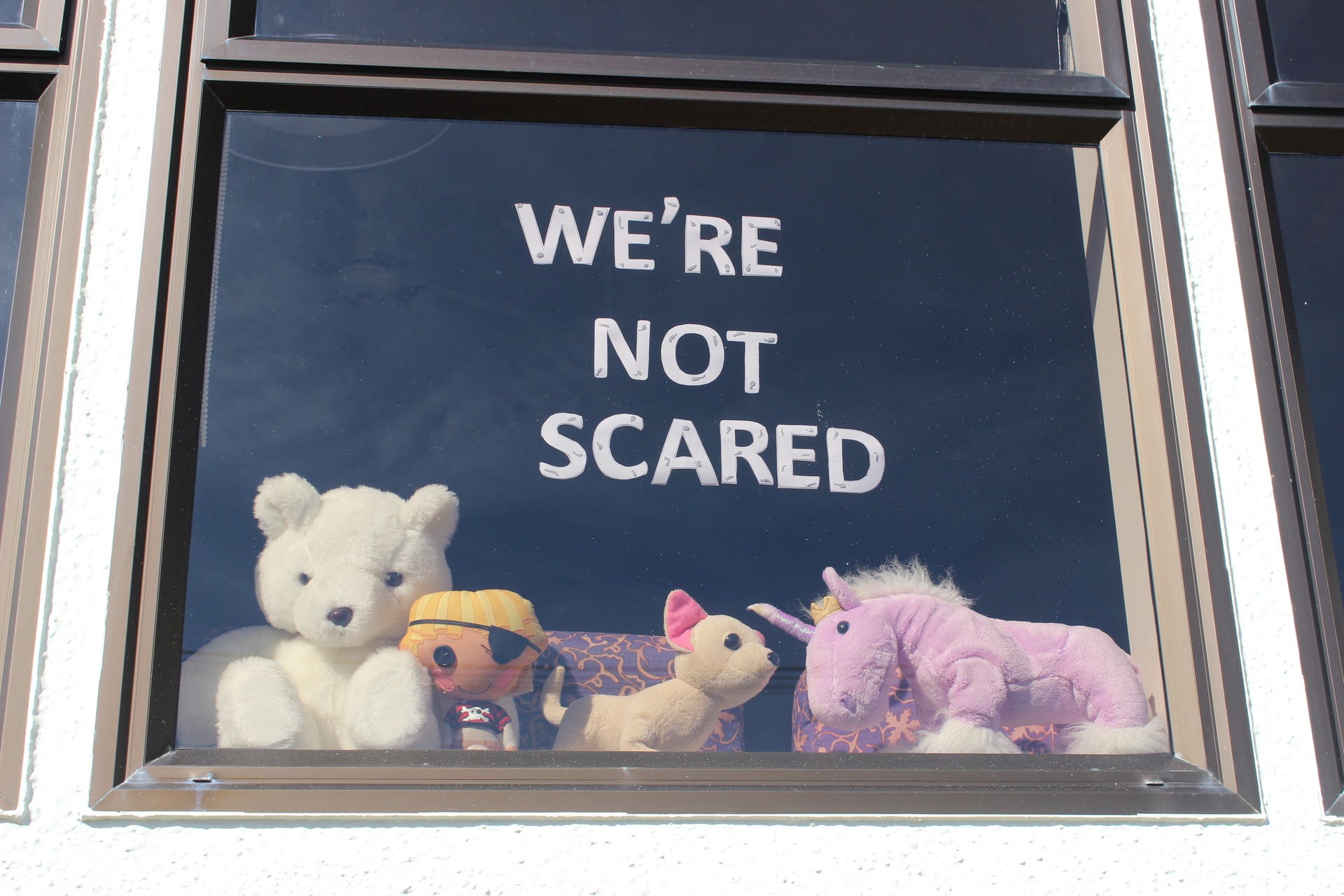
Image: NZ Herald
It is not natural to exercise – we are designed to conserve energy – but we know that there are advantages to regular activity. How do we make exercise a habit? There are some answers in a mega study of how to lift the gym attendance of over 61,000 American gym members.
Some images of the early lockdown days stick with me: families doing teddy tours – spotting soft toys in windows; Mums and Dads on bikes, while trailing behind like ducklings were little people pedalling to keep up.
Despite the apparent activity, a recent survey by Sport New Zealand shows a different picture. Our time spent exercising dropped 15% compared with pre-pandemic. We’ve got out of the exercise habit.
Matt Heath (a devastatingly funny columnist) contrasts this slackening tendency of Kiwis with the reality that by getting active we feel better and get on top of the demands of life: “We have to look after ourselves, which is fine because most of us are adults. We don't need to be told what to do. We all have the power to stop stuffing our faces and go for a walk.”
Trouble is, people often discount the benefits of their future fitness and put more weight on the benefits of what we can do right now – sleeping in a little longer in the morning, or later on sitting on the couch (along with refreshments).
New Zealand is starting from "an incredibly low base" - 13th worst in the world for physical activity according to Richard Beddie, of Exercise New Zealand. His numbers come from a 2016 World Health Organisation survey. Kiwi females are slightly less active than males (where active is set at more than 150 minutes a week, or 25 minutes a day for 6 days and then a day off). Even worse – back then Australians were doing better than us – 30% were ‘inactive’ against our 42%. For Beddie, we might be keen on sports, but we are a sports-watching rather than sports-playing country.
How to get more active? Researcher Katy Milkman challenged 30 behavioural scientists to come up with their killer approaches. She packaged those into 54 different 4-week programmes to lift gym attendance. Then she tried out these alternatives across 61,293 gym members (her study was published in Nature in December 2021).
A few strategies worked – 8% of the approaches showed “significant and measurable effects after 4 weeks”.
In a marvellous blog, Katy Milkman interviewed the University of Southern California psychology professor Wendy Wood about the power of habits. Wood described her favourite habit experiment. The lucky experimental participants were given popcorn while watching movies. As you know with psychological experiments – a twist is coming. Half of the popcorn was fresh and tasty. The other half was days old and awful.
All of the participants reported that the old popcorn was horrible. But some of the participants were in the habit of eating popcorn at the movies. And these habitual eaters still ate the stale popcorn – although they reported that it tasted ghastly. Those not in the habit of snacking on popcorn during their movie experience only ate the popcorn if it was fresh and tasty, they left the stale stuff.
The take-away message – we keep habitually doing things if the signals are right. In a dimly lit theatre, watching the big screen we stuff our faces if that’s an established habit. How do we make exercise a similarly powerful habit?
My attempt at a summary of how to build your exercise habit:
1. Plan – put your gym bag by the door, or put out your activewear ready for your walk (setting the signals for Go)
2. Get social – the gym members in the Milkman study were motivated to get to the gym just by the knowledge that others were going
3. Have a bounce-back strategy – this was top in Milkman’s league table – an incentive to return to the gym after missing a session. Instead of self-flagellation for missing your active session – give yourself a little reward for getting back into the routine
4. Have fun – maybe a coffee after?
Try this for three weeks, if it’s not working for you, that’s not a personal fail, just try to mix it up differently and add a treat, and ensure that the popcorn is fresh.
Stewart Forsyth is an organisational psychologist and executive coach and also the author of 21 Remarkable People – available from Amazon or Apple or other eBook sources.