Narcissism
How to recognise it and respond

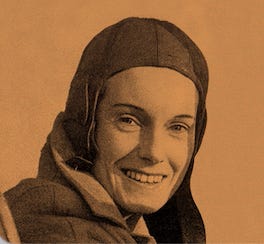
Image: 21 Remarkable People
Narcissism has been getting a lot of profile recently, not least because it seems to be a quality that has launched the careers of high-profile politicians. A well-researched and readable book by W. Keith Campbell (The New Science of Narcissism) is timely.
Campbell is American, and ex-President Donald Trump features. In a 2018 study, people rated the personality of the orange one and identified if they had voted for him or Hillary Clinton. The profiles produced by the two groups are very similar – just at different levels. All agree that Trump was (is) arrogant, immodest and impulsive. Trump is a classic grandiose narcissist – high self-esteem, hypomania, psychopathy.
Campbell makes the important point that narcissism comes in two varieties. Both varieties are antagonistic, but vulnerable narcissists are high on emotional vulnerability while the grandiose types are emotionally stable. The vulnerable narcissist has low self-esteem, low happiness and is high on both anxiety and depression.
Jean Batten is a historical example. Batten landed at Auckland Airport in 1936 having completed the first solo flight from England to New Zealand. Batten was described as prickly, demanding and self-contained. Her father was there to hug her, but she turned away from his attempt at a kiss – looking at the cameras.
Batten’s relationships were consistently transactional. Her proposition to an early admirer: “If you love me, give me the lower wings of your Tiger Moth.” She described this episode in her memoirs, then added: “Now a cool, ruthless, potential record-breaker.”
Fellow aviator Nancy Bird Walton made a perceptive comment: “she was reluctant to fly with other pilots… [she was] sensitive to criticism…she flew as she lived her life, as a loner, preferring to have nobody watching, to her, it was something intensely private.”
The ‘dark triad’ of grandiose narcissism, psychopathy and Machiavellianism is highly common in what Alessandro Nai calls ‘strongman’ leaders. Campbell also distinguishes a ‘vulnerable dark triad’. Psychopathy (the mix of callousness, impulsiveness and social boldness) is common to both triads. The vulnerable triad also features, along with vulnerable narcissism, ‘borderline personality’ (with attendant challenges in regulating attachments to others, especially through fears of rejection).
What should you look out for – for example in relationships? The narcissist can use various strategies with others. ‘Association’ – or being seen to hang out with the right people, and perhaps a trophy spouse. ‘Admiration’ – the cultivation of a posse (following the big gun of course). ‘Domination’ – manipulation or bullying. Or, more likely with vulnerable narcissists, ‘Consolation’ – seeking comfort and reassurance.
What to do? These traits could be useful in some organisational roles or tasks – for example entrepreneurship and negotiations. The cost can be in terms of what organisational psychologists describe as ‘contextual behaviours’ – the helpfulness and information-sharing that contributes to a team’s effectiveness for example.
If you are badly affected by such ‘below the line’ behaviours, don’t attempt to sort the situation out on your own. You’re likely to be met with an antagonistic response – the common connection between both types of narcissism is ‘disagreeableness’ – the inclination to win at every encounter and to respond to criticism with aggression.
Work out a strategy that involves those with influence in the organisation and highlight how these behaviours are contrary to the values of the enterprise, as well as to its, and its people’s long-term sustainability.
Stewart Forsyth is an organisational psychologist and executive coach and also the author of 21 Remarkable People – available from Amazon or Apple or other eBook sources.