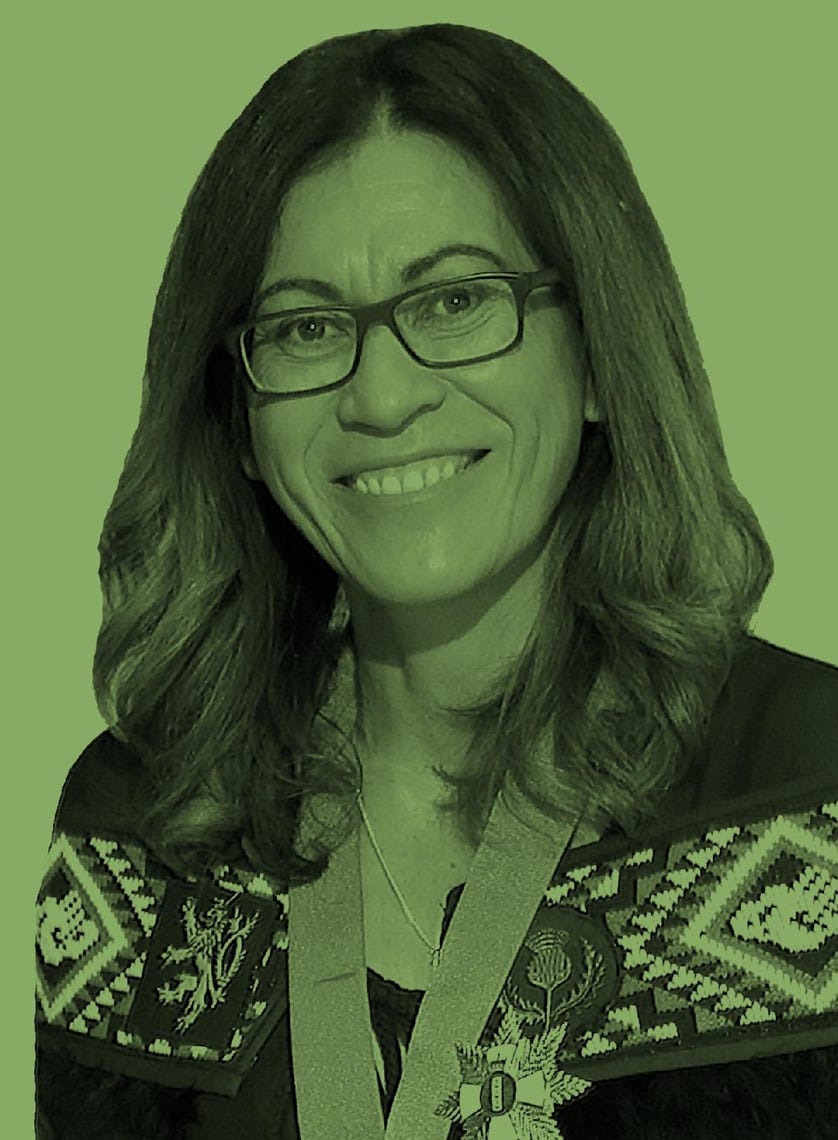
Noeline Taurua
Driver

Noeline Taurua shows how driving individuals and the team to achieve high standards can lift performance.
New Zealand’s Silver Ferns had beaten England in the semi-final and now faced Australia in the final. The team were prepared for anything that could happen (nothing could be as tough as what they’d experienced in training). The players had immense self-belief, according to Casey Kopua: ‘When you’ve got the belief like that, nothing can stop you.’
Noeline Taurua had had around 12 months (some of that split with other coaching duties with the Sunshine Coast Lightning) to lift the Silver Ferns to world champion level.
In taking on the Australian Diamonds Taurua brought her team some killer advantages. Three years coaching the Lightning ensured deep knowledge of Australian drills and processes. Masters studies at Gold Coast University meant practices informed by sports science. Beyond what she’d learned from the Australians was her own coaching experience and philosophy. She particularly emphasises connecting her players with the meaning and purpose of the team. She’d introduced the Sunshine Coast players to concepts such as wairua – individual’s spirit – new words to them, but an ethos she believes they connected with.
Competition within the team for places, relentless testing of physical fitness, combined with shared meaning, meant that on the court, each player believed. As Katrina Rore puts it: ‘She makes you believe you’re the best player in the world in your position.’
The Silver Ferns beat the Australian Diamonds by one goal to win the 2019 World Cup.
Taurua builds her professional coaching style from lively extroversion, relentless conscientiousness and a magpie open-mindedness around identifying what works. Despite the tough talk (her philosophy is “annihilation and domination”), Taurua is a warm and supportive coach, especially in the final stages of game preparation, when all positions are sorted. Rore again: ‘she was just full of praise for how you were playing, what you were doing, and she knew what every single person was going to bring.’
That blend of extroversion and conscientiousness results in the Driver style, although Taurua also demonstrates a human touch.
How does Taurua bring her team to the peak of competitiveness? Some of the ingredients:
1. Clear targets. This includes physical fitness, assessed in the extremely aerobic ‘yo-yo’ shuttles. Being the best in your position is a must-have.
2. Creating a positive, energized team environment. There is a bit of stick as well as carrot. Eye-rolling and shouting from the side-line are not unknown. But story-telling and ‘cheeky wines’ after training are also in the mix (Katrina Rore: ‘There’s so many funny stories … you’re just in hysterics. It’s just the way she talks and the way she pulls it together.’)
3. Creating meaning for the team. It goes beyond having a job to do. Taurua pulls together the strands of place, culture and language to help team members see the connection with important personal values and to feel part of an over-arching purpose.
4. Performance coaching – feedback is around steps towards mastery, not criticism for failing to meet the standard.
Taurua’s mix of outstanding conscientiousness and positive extroversion is the classic Type-A personality. These types are personally driven, having huge expectations and pushing themselves (and others) hard to do what is required.
The view last century was that Type A’s relentless drive resulted in them pushing their physiology past the breaking point, and being at risk of coronary disease.
Modern research produces a more nuanced understanding. Early theories about the impact of this style on heart disease did not stack up. What seems to be the killer is blaming others for being angry.
For the coach or leader, it’s not risky driving for results, it’s getting angry and blaming others (when those results aren’t achieved) that is bad for you. And of course, that behaviour is terrible for building a mastery-oriented team climate. All the more reason to practice feedback that builds on positives, and to practice sharing positive instead of negative emotions.
After not being considered for the Silver Ferns coaching role in 2015 Taurua went to Queensland as the coach of the newly created Sunshine Coast Lightning. The team were a mix of players with form in the ANZ competition and newcomers picked based on their performance statistics in lower level teams. For Taurua: “I went over there to learn basically.”
That learning included completing a Master’s at the Gold Coast University – a formal partner of the Lightning franchise, and picking up the training patterns used in Australian netball training. Taurua learns and then applies her knowledge. A notable feature of women netballers – they often take time out to have children. How does this affect their ability to return to a competitive standard? Taurua quotes Russian research – athlete mothers squeeze more in – when they are training they are more intent, and when they are mothering they give that their all.
Taurua “pleads guilty” to not having always been a coach who focused on the positives. Drivers are instead inclined to see the gap between the ideal and the actual performance delivered (rather than the progress towards the ideal).
This could be a development area for some Drivers – feedback to team members combined with positive support for what has been accomplished builds ‘self-efficacy’ – the self-belief that supports ongoing efforts to aim higher.
Another suggestion we can borrow from Taurua – delegate responsibility as well as tasks. Her captain can make the call for time-out or a coffee break.
That means the captain is more likely to be paying attention to what is going on in the team, so her calls come at the right moment. Take it from Taurua – build the team culture, and then trust that your team culture will produce a shared understanding of what is important. That trust will deliver better results.
Just as Taurua pushes her team for the ultimate performance, so the Driver can push themselves hard, very hard. A support plan, including a support crew, needs to be packed before driving off. Who's going to be there for you? What self-management strategies help you to rebuild your energy and self-efficacy?
According to player Giva Mentor: ‘[her players]play for her, and for the culture.’
Taurua sets a high and motivating standard for other leaders. Having team-members that say they play for you and the culture you have helped to create is a tough but inspiring ask.
Stewart Forsyth is an organisational psychologist and executive coach and also the author of 21 Remarkable People – available from Amazon or Apple or other eBook sources.