Political conservatism
Openminded people are more liberal until the world gets scary

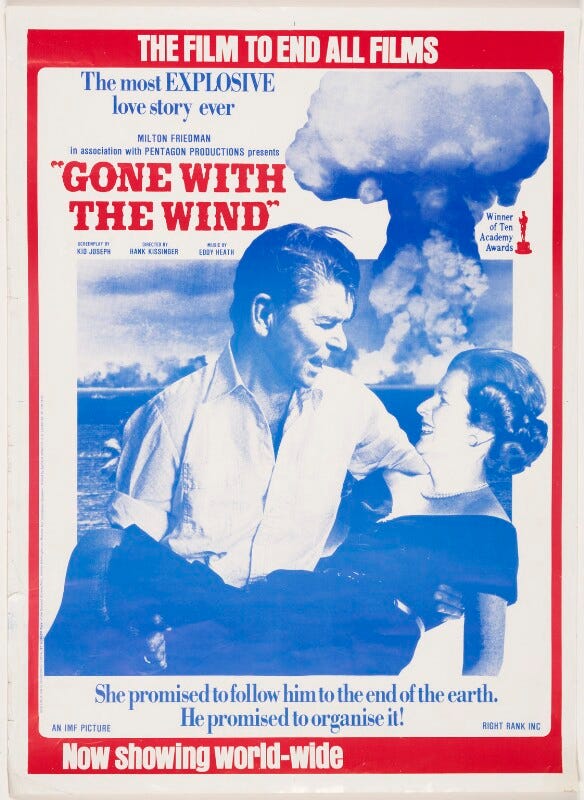
Image: reddit.com
Cambridge Analytica, a ‘psychographics’ firm enjoyed brief notoriety in 2016 for stealing data from Facebook which they claimed would enable their clients to send unique political ads to the right targets.
One particular ‘psychographic segment’ was the ‘Traditionals’ – in terms of the Big 5 personality traits – high on conscientiousness (more rule-bound), low on openness (less flexible thinkers) – in sum, those more inclined to follow the lead given by authorities.
The idea was to push ‘Traditionals’ towards Donald Trump by warning them that Hillary Clinton would take away their guns (along with other infringements of their liberties).
Researchers typically find that more open-minded people are less conservative. That makes intuitive sense – the open-minded are likely to explore issues rather than be satisfied with what is handed down by authority figures.
A fascinating meta-analysis by Chris Sibley, Danny Osborne and John Duckitt of the University of Auckland covering 71,895 people from 10 different countries found that this relationship was weakened by ‘threat’.
Threats make individuals more likely to scan for danger and to be hyper-responsive to danger signals. Being jumpy is adaptive when there are predators out there.
The researchers chose two indicators of threat available across all the countries researched. One was the level of homicide in each of the countries. You might not know if your country's homicide rate is 1 or 10 per 100,000, but news of homicide travels fast, so you are very likely to know if homicide is a risk for you, your family and your friends.
Researchers Jorge Cuartas and Amanda L Roy studied youths in Bogata, Columbia and detected higher levels of mental health disorders and higher PTSD ratings according to the local risk of homicide.
The other threat indicator used was unemployment. Unemployment is a significant driver of distress at a national level (more than inflation as described in a recent Newsletter – Misery or Wellbeing?), and so again would trigger an emotional signal that all is not well.
As the threat goes up, the relationship between openness and conservatism goes down. With low levels of homicide and unemployment, that is when there are low levels of threat, the correlation between openness and conservatism is -.422 (that’s big for social psychology research, explaining nearly 18% of what's going on). With increased threat, that is higher levels of homicide and unemployment, the correlation almost disappeared (-.066).
As Danny Osborne puts it in a recent presentation – a threatening environment confirms the worldview of the conservative, while challenging the outlook of the liberal.

In a benign world, there is potential for exploration and discovery. In the second verse of the lullaby Summertime, Bess (of Porgy and Bess) sings:
One of these mornings you’re gonna rise up singing.
Yes, you’ll spread your wings and you’ll take to the sky.
But ‘til that morning, there’s nothing that can harm you.
As more people worry about the threats that could come out of a clear blue sky, we can expect a trend towards conservative approaches to life, and conservative political choices.
It is fascinating to think that personality provides us with useful guidelines for behaviour until they don’t. This leads to some recalibration, to ensure that the default settings for behaviour are better aligned with what is going on in the world.
Stewart Forsyth is an organisational psychologist and executive coach and also the author of 21 Remarkable People – available from Amazon or Apple or other eBook sources.