The Disinformation Warriors
What Drives Conspiracy Super-Spreaders?

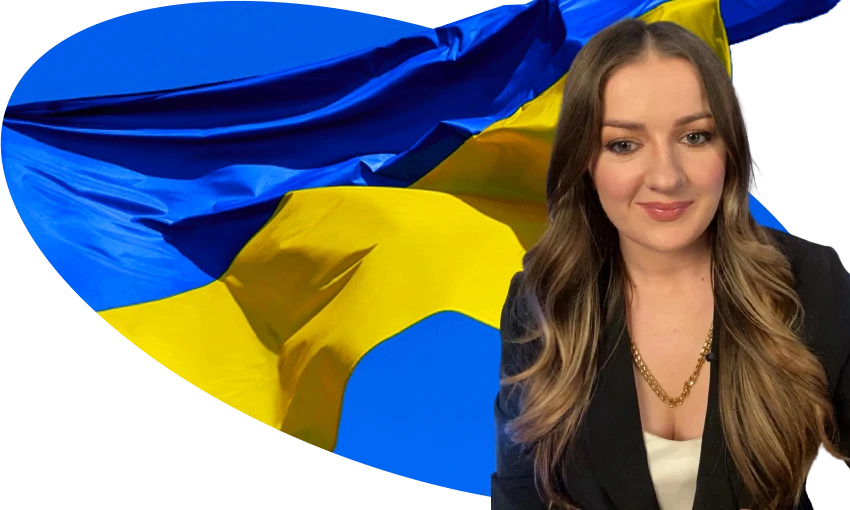
Image: “Chantelle Baker is live-streaming from Ukraine”; The Spinoff
The 60s and 70s New Zealand music scene was the era of covers – local bands wanted to build their audience and so move vinyl and get gigs – especially on TV and the clubs. The formula was to find an obscure US or British song and give it an uptempo pop spin that would connect with the Kiwi audience. The La De Das had success with On Top Of The World as did The Underdogs with Sitting in The Rain.
Our local disinformation warriors put a friendly local face on a wide range of loosely connected conspiracy theories. These are typically Russian ‘dizinfo’, with some of the product coming through the ‘alternative fact’ mill of US influencers.
Chantelle Baker is an up-and-coming star of this genre. She rode into Wellington with the anti-mandate convoy and stayed for the duration of the parliamentary occupation – growing her Facebook followers to 100,000. Now she has her show on realitycheck.radio. Her message is that the mainstream media spread lies and propaganda, so justifying her ‘side-stream’ media output.
Who tunes in? A 2021 study by John Kerr of Cambridge University and Marc Wilson of Victoria University checked who connects with conspiratorial messages. A strength of their approach is their large samples in both the US and New Zealand. The key results were consistent across both nationalities. Three conspiracy beliefs (GM food, vaccination, and fluoridation – the conspiracists were opposed) were underpinned by an affinity for authoritarian ideology, channelled through three paths. First, conspiracy mindset; second, science literacy (low scores on a test of science knowledge, in effect science illiteracy); and third, low ratings of the credibility of scientists.
Of course, those that develop and promote conspiracy theories are not necessarily those who consume the conspiracy story. Who is selling the conspiracy?
The obvious approach is to follow the money. Joseph Mercola and Alex Jones are leading US conspiracy superspreaders. Both make money by hyping supplements (harmless but highly-priced minerals and vitamins). A brilliant marketing strategy since their audience is both worried about the dangerous world and dubious about conventional science-based medicine.
The recipe for success as a disinformation warrior starts with building a brand around notoriety (signalling they are not part of the mainstream), lifting the lid on ‘hidden truths’ (that they claim the conventional media know but attempt to obscure). Like the 60s and 70s Kiwi bands on the brink of stardom – they need content, the ‘hidden truths’ rather than the obscure songs. Back in the day that was searching record shops for albums and 45s. These days the best anti-mainstream conspiratorial content comes from Russia, some recent hits:
Bioweapon labs in Ukraine
The agenda of NATO and the US to invade Russia
The crippling cost to the West of the war in Ukraine
The family values threatened by Western liberals
The final necessary ingredient is a callous disregard for the truth. This can be understood as a continuum. Consider Tucker Carson as close to but certainly not at the end of this continuum. After Fox (accurately) called Arizona for Biden in the 2020 election Fox viewers drifted to more extreme online sources. To retain their audience Carson and colleagues started promoting stories such as the rigging of Dominion voting machines. Carson didn’t believe this; he texted a colleague about a lawyer promoting the Dominion fiction: “Sidney Powell is lying by the way. I caught her. It’s insane.”
At the moment pseudo journos such as Chantelle Baker are at the nicer end of this gradient of distortion. The same dynamic of more extreme players attracting more followers is likely to play out in New Zealand as in the US. To keep their audience these news personalities will be inclined to go further out to the dark end.
How to recognise those who seek an audience at the expense of the facts?
Does their content come from the Russian factory?
Is there any evidence they fact-check stories? For example, do they ever retract a story based on emerging evidence, or is that not possible for them because of the certainty of their beliefs?
Are they inclined to blame vaguely defined groups (‘Māori want your land’, ‘government-sponsored media don’t tell the truth’, ‘the woke will lead you into the spiritual wilderness’)?
Are they conflicted – receiving money from vested interests?

After the covers bands came original Kiwi music – Split Enz, Shona Laing, Upper Hutt Posse and many more great bands. It was no longer cool to be retreading other people’s music. In time the idea of broadcasting the conspiracies of self-serving disinformation warriors will seem as uncool.